You can share a bowl of spaghetti, a Netflix account, and even a home. But a credit card? Well, that’s a whole different story.
After all, sharing finances as a couple might seem easy when you’re on the same page. But what happens when one person's idea of a little treat is the other's idea of unnecessary spending? And if things go south, could you end up paying for purchases you didn't even make?
Before you combine your finances, let’s find out if sharing a credit card is a smart financial move or one that could cause more trouble than it is worth.
The pros: Why sharing a credit card could make sense
Financial transparency, convenience and shared accountability
Managing money as a couple can sometimes feel like you are running a small business together. There are bills to split, expenses to manage, and the occasional moment of confusion: “Wait, who is paying for this?”
A shared credit card can simplify things by consolidating expenses into one place. From groceries and utilities to date nights and holiday bookings, it's easier to track payments without constantly splitting bills or chasing each other for reimbursements.
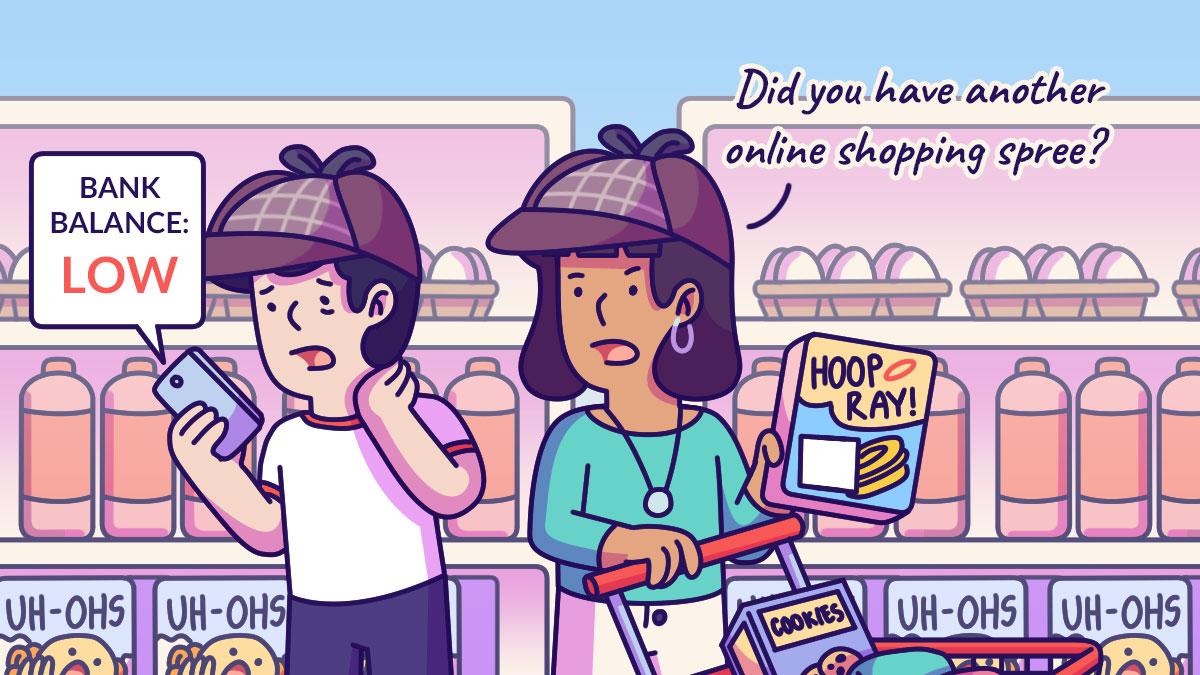
Your monthly statement might even reveal a few surprises. Maybe you're spending more than you thought on dining out, or your “just browsing” sessions are turning into actual purchases.
It's also a gentle nudge to keep each other in check. When both of you can see where the money is going, it's easier to spot overspending, have honest conversations about spending habits, and stay accountable to your shared financial goals.
Potentially better borrowing power
Applying for credit together may help some couples qualify for a higher credit limit or more favourable terms, depending on the lender's assessment of their income, credit histories, and existing debts.
That extra borrowing capacity could come in handy when managing larger expenses or preparing for future financial goals. For example, imagine you're renovating your home and want to install a built-in wardrobe. The cost could be thousands of dollars, and one person's credit limit might not be enough to cover the full amount upfront for an instalment plan. Having access to a higher credit limit could give you more flexibility to manage the purchase.
Build your credit profiles together
A good credit history can make a difference when you're ready to apply for a loan, whether it's for a car, a home, or another big-ticket purchase. After all, if you're planning to buy your first home together, having a healthy credit profile can be a useful step towards getting there.
Using a credit card responsibly, such as making payments on time and keeping balances manageable, can help build a positive credit history. Depending on how the account is structured and reported, this may benefit one or both partners.
One thing to check before signing up: sharing a card doesn't automatically mean both partners get the same credit-building benefits. Supplementary cardholders, for example, may be treated differently from principal cardholders. So, check with your bank before assuming your credit profiles will grow together.
Earn rewards faster
One of the biggest perks of using a credit card is earning rewards. So, why spread your shared spending across multiple cards when you could potentially rack up rewards faster in one place? Putting eligible household expenses on a single rewards card can help you accumulate cashback, points, or air miles faster.
But don't swipe just yet. More spending doesn't automatically mean more savings. Buying something you don't need just to earn rewards is still spending money you could have saved.
The trick is to earn rewards on purchases you would have made anyway and pay your balance in full every month to avoid interest charges. That way, you can enjoy the perks without overspending.
The cons: When sharing a credit card gets complicated
Of course, sharing a credit card has its downsides too. When two people share access to credit, one person's spending habits can affect the other – and not always for the better.
Different spending habits could create friction
One person wants to YOLO and enjoy life now, while the other would rather save for a rainy day. Sound familiar?
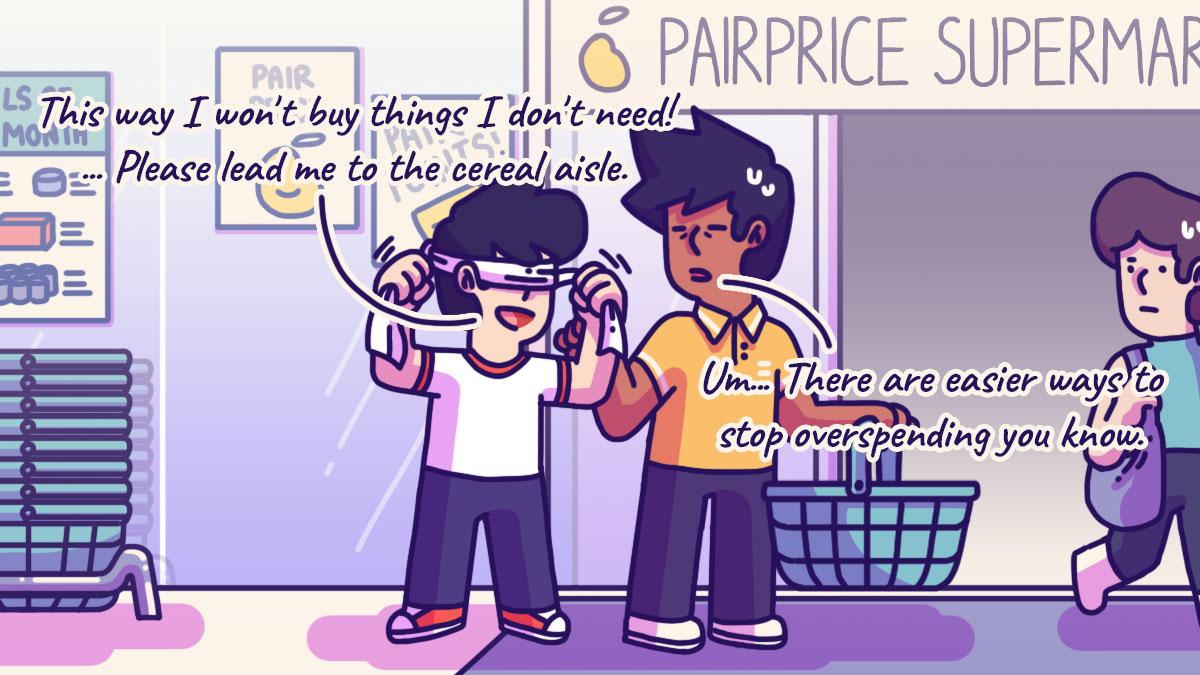
Different spending habits aren't necessarily a problem, but they can become one when you're sharing a credit card. What one person sees as a well-deserved treat might look like an unnecessary splurge to the other. Without clear boundaries, even small purchases can turn into bigger arguments.
The solution isn't to force each other to spend the same way. Instead, agree on what counts as shared spending, how much either person can spend without checking in, and which purchases deserve a conversation first. After all, you don't have to see eye to eye on every purchase to be on the same page financially.
One person’s debt could affect both of you
Remember earlier when we said how responsible credit card use could help build your credit history? Well, the opposite can happen, too.
Depending on how the account structured, high balances and missed payments could affect one or both partners' credit scores.
But here's the bigger catch: who spends the money isn't necessarily who is legally responsible for paying it back. Depending on the account arrangement, one person could be held responsible for the entire outstanding balance, even if their partner made most of the purchases.
For example, principal cardholders are typically held responsible, even if it was the supplementary card user who made the purchase. So, even if you've been responsible with your spending, you could still find yourself dealing with the consequences of your partner's financial decisions.
That's why it's important to agree on a repayment plan before you start swiping. Only spend what you can afford to repay.
Less financial privacy
On one hand, financial transparency can be a good thing. But let's be honest: how many of us want our partner to see every single purchase we make?
Even if you've got nothing to hide, having every transaction laid out on a statement can feel a little uncomfortable. Some couples may feel like their spending is being scrutinised, especially when it comes to personal treats, hobbies, or the occasional impulse buy.
The solution? Agree on which purchases need a heads-up and which expenses each person can manage independently. After all, sharing your finances doesn't mean you have to share every little detail. The goal is to build trust, not make each other feel like you're under financial surveillance.
Untangling your finances can get messy
Sharing a credit card might seem straightforward when everything is going well. But what happens if you decide to separate your finances or, well, go your separate ways?
Unlike in the movies, you can't simply cut up the card and call it a day. Any outstanding balance still needs to be paid, and removing a cardholder or closing the account may involve additional steps, depending on your bank and account type.
That's why it's worth understanding the terms before signing up. Know who's responsible for the debt, who can make changes to the account, and what happens if you decide to end the arrangement.
So, should couples share a credit card?
Well, it depends. For some couples, a shared credit card offers convenience, clearer expense tracking, and a straightforward way to manage household spending. For others, keeping their finances separate works better, especially when they have different spending habits, financial priorities, or levels of comfort with debt.
Neither approach is automatically right or wrong.
What matters more is whether both partners can talk openly about money, agree on shared goals, and respect each other's financial boundaries. After all, the last thing you want is to be working towards a financial goal together on paper, only to feel like you're the only one making sacrifices in real life.