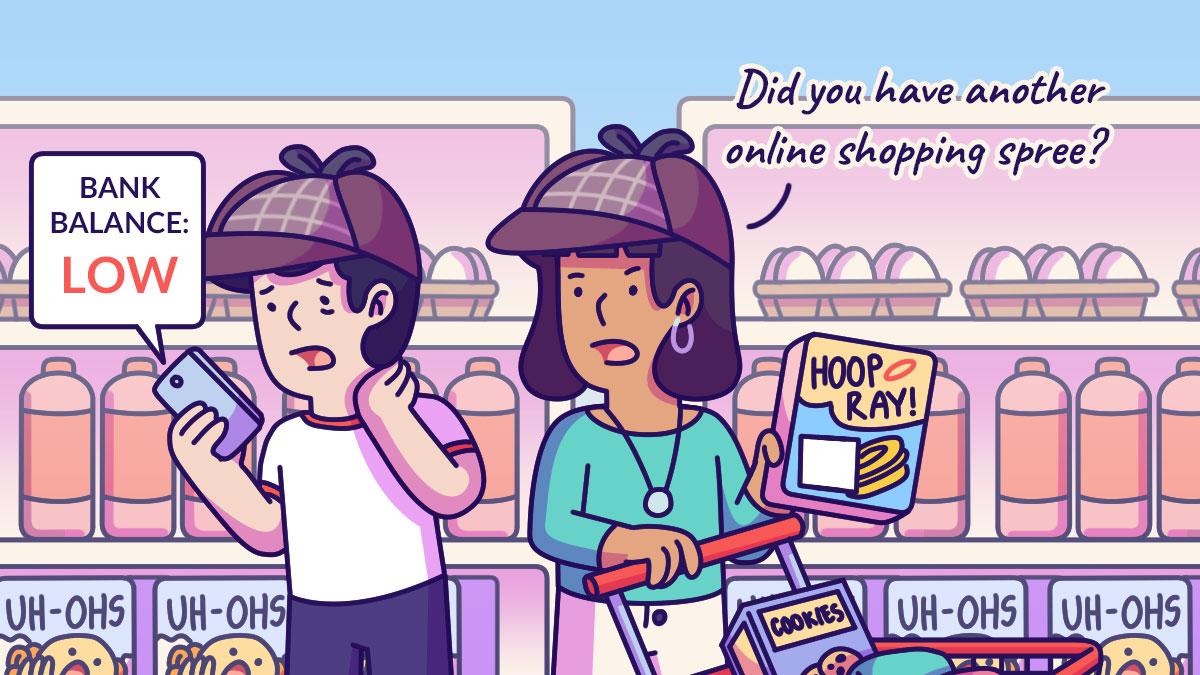
You might be lying in bed, casually scrolling through Instagram Stories, when you come across your friend's holiday snaps from Japan, Italy or France. Suddenly, you're feeling inspired to plan your own overseas getaway. But then, you check your bank balance, and that excitement quickly fades.
You want a holiday, sure, but you also don't want to spend more than you can comfortably afford.
Luckily, there are plenty of destinations where you can enjoy a memorable getaway without stretching your budget too much. Whether you're craving a relaxing beach escape, hoping to explore ancient temples, or looking forward to a scenic mountain adventure, there's something for every kind of traveller.
So, if you're ready to start planning your next getaway, here are four destinations worth considering, along with how much you can expect to spend.
1. Da Nang, Vietnam – for a beach and cultural escape
If your ideal holiday involves beautiful beaches, delicious local food and plenty of places to explore, Da Nang might be just what you're looking for.
Located along Vietnam's central coast, this coastal city offers a little bit of everything. You can spend your mornings relaxing at My Khe Beach, explore the caves and pagodas of the Marble Mountains, or head to Son Tra Peninsula for scenic coastal views.
And if you have an extra day, consider visiting Hoi An Ancient Town, just a short trip away. Known for its colourful lanterns, historic buildings and charming riverside streets, it's a lovely place to spend an afternoon exploring local shops and sampling Vietnamese dishes.
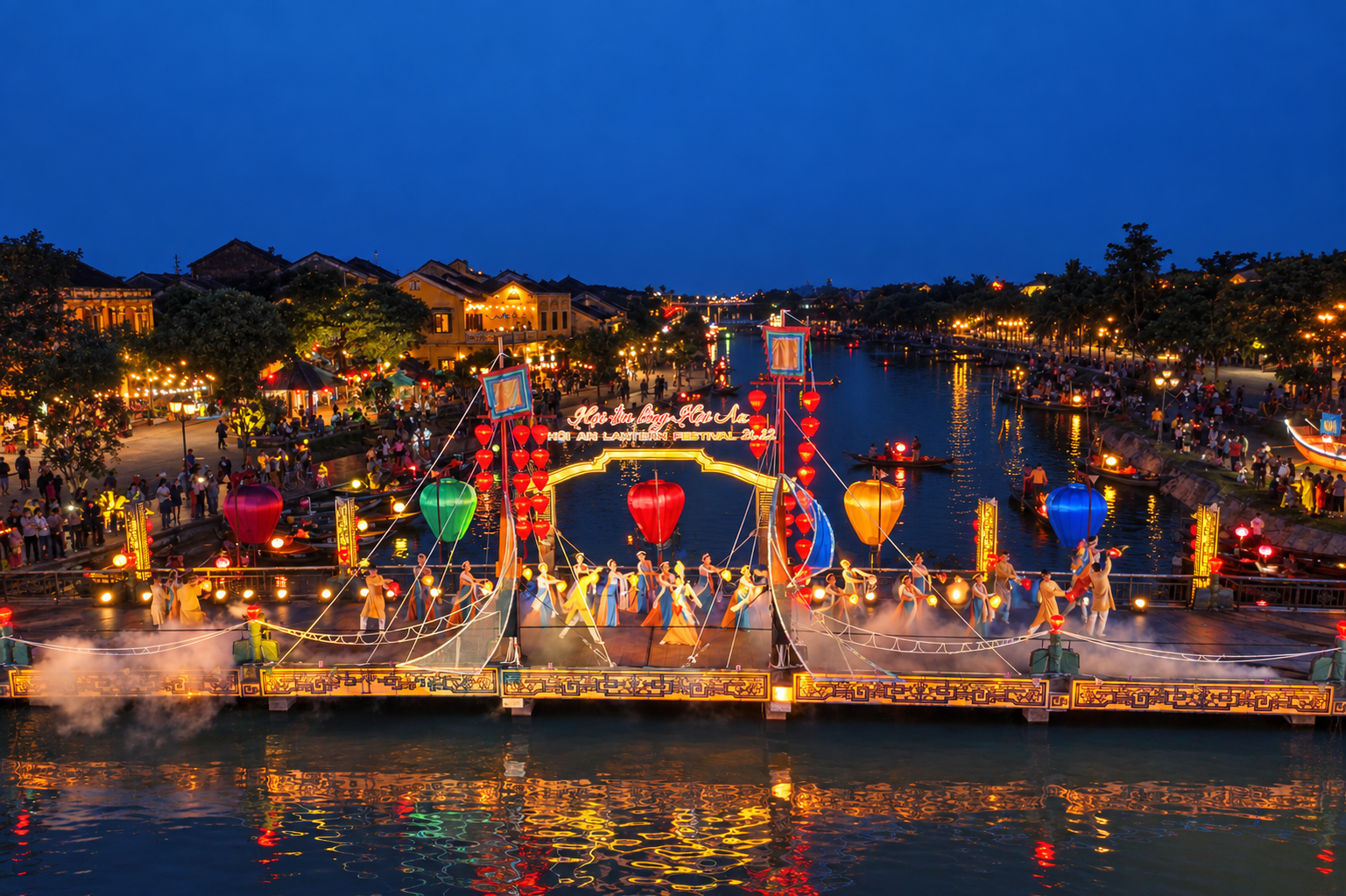
Photo by Danang Fantasticity
What can you expect to spend?
A budget-conscious traveller can expect to spend around US$31–59 per day, excluding international flights. This can cover budget accommodation, local meals, transport and some sightseeing, depending on your travel style.
Actual fares may vary depending on your travel dates, airline and baggage requirements.
When should you visit?
February to May is generally the best time to visit Da Nang, with pleasant, dry weather that's ideal for sightseeing, beach days and outdoor activities. June to August is another good option for sunny beach weather, but expect higher temperatures and larger crowds. September to January is the rainy season, with heavier rainfall typically occurring in October and November.
Budget tip: Consider staying near My Khe Beach or the An Thuong area, where you'll find restaurants and convenient access to the beach. You can also save on transport by grouping nearby attractions into the same day's itinerary.
2. Siem Reap, Cambodia – for a history and culture gateaway
For travellers who enjoy history, architecture and cultural experiences, Siem Reap offers plenty to discover.
The city is best known as the gateway to Angkor Archaeological Park, a UNESCO World Heritage Site spanning approximately 400 square kilometres and home to an impressive collection of ancient Khmer temples.
Start with Angkor Wat, one of Cambodia's most recognisable landmarks, and try visiting early in the morning to catch the sunrise. You can also explore Bayon Temple, famous for its giant stone faces, and Ta Prohm, where enormous tree roots have grown around ancient temple structures.
Beyond the temples, you can explore local markets, sample traditional Khmer dishes or take a trip to Tonlé Sap Lake to see its floating and stilted villages. You can also catch a show at Phare Cambodian Circus, which combines acrobatics and storytelling to bring Cambodian history and culture to life. With no animals involved, the performances also support local youth through arts education and training.
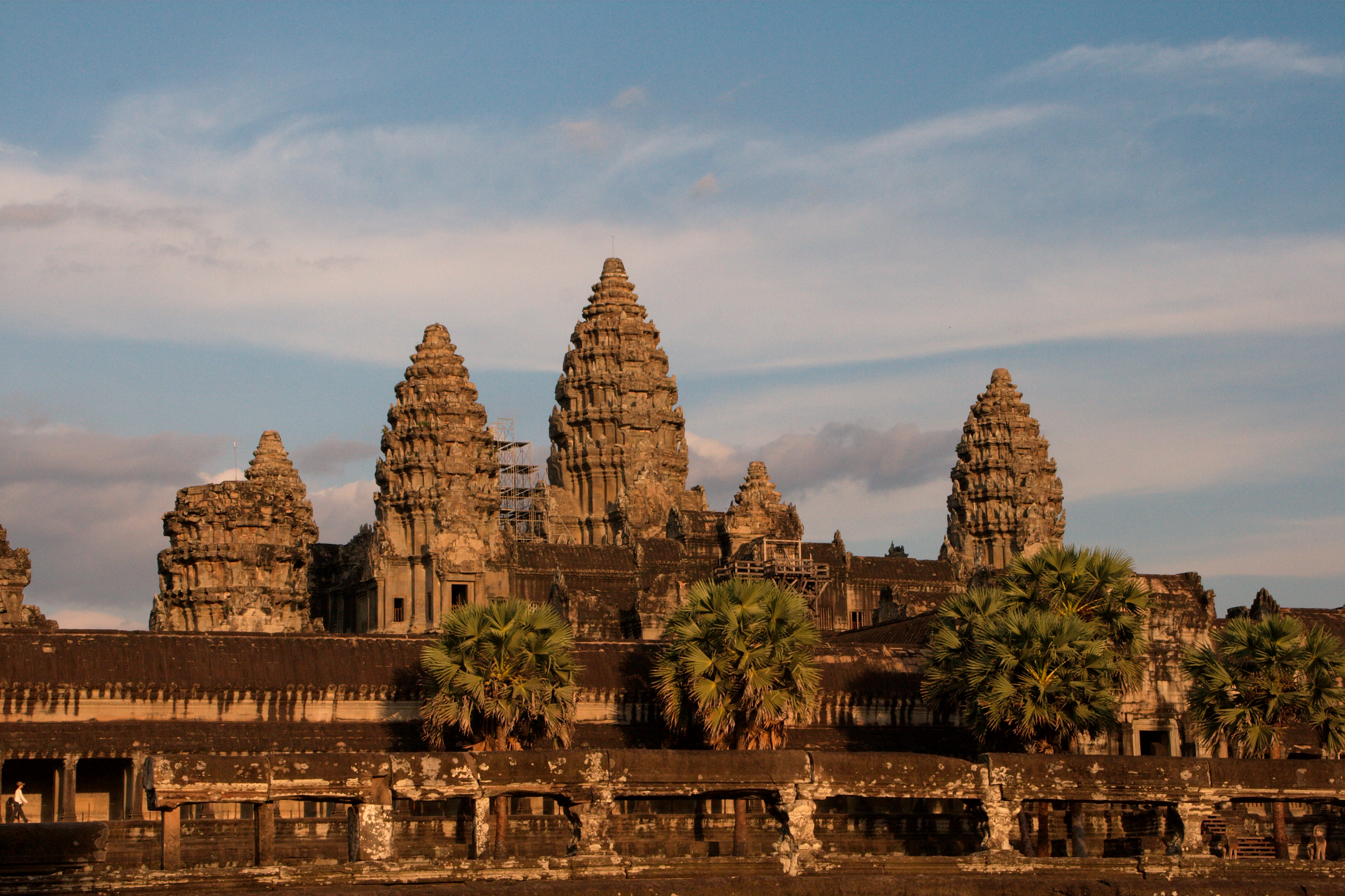
Photo by Christian Haugen
What can you expect to spend?
Budget travellers can expect to spend approximately US$22–33 per day, excluding international flights and major attraction tickets. If you prefer more comfortable accommodation, consider setting aside around US$50–80 per day.
One important expense to factor in is the Angkor Pass:
1-day pass: US$37
3-day pass: US$62
7-day pass: US$72
When should you visit?
November to February is generally a good time to visit, thanks to the drier and relatively cooler weather. March and April can be particularly hot, while May to October brings the rainy season.
Budget tip: If you're planning to explore several temples, consider getting a multi-day Angkor Pass so you can spread your visits out without rushing.
3. Chiang Mai, Thailand – for a relaxed mountain escape
If you'd rather swap busy city streets for mountain scenery, historic temples and a slower pace of life, Chiang Mai could be a great addition to your travel list.
Located in northern Thailand, Chiang Mai offers a mix of cultural attractions, natural landscapes and lively local markets.
Explore the Old City and visit Wat Chedi Luang, or head up to Wat Phra That Doi Suthep for panoramic views of the city. Nature lovers can also take a day trip to Doi Inthanon National Park, home to waterfalls, nature trails and Thailand's highest mountain.
One of Chiang Mai's most magical experiences is the Yi Peng Lantern Festival, usually held in November during the full moon. You can also browse the Sunday Walking Street and night markets for street food, local crafts and souvenirs, or join a Thai cooking class to learn how to prepare traditional dishes.
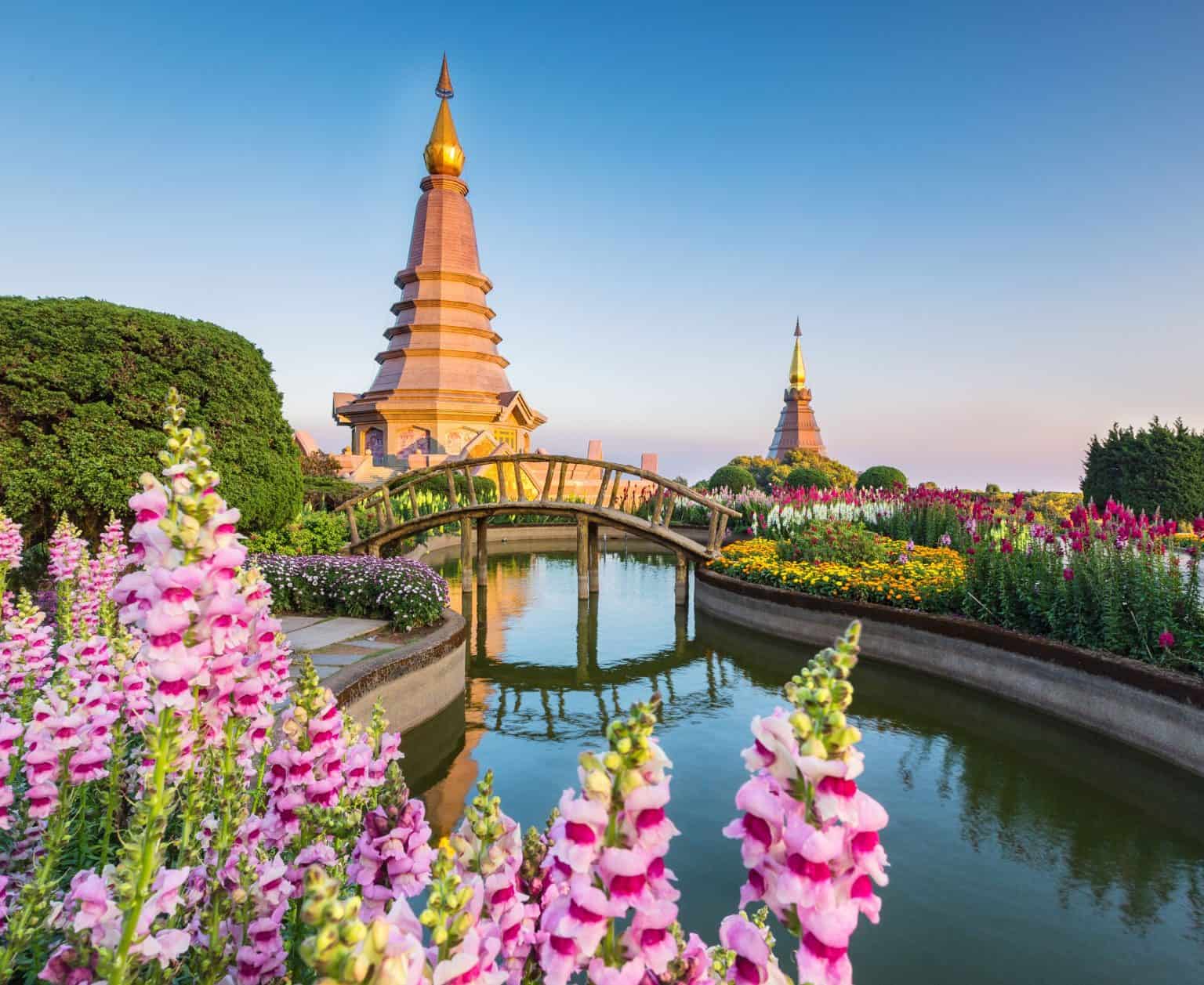
Photo by Linda Goes East
What can you expect to spend?
A budget traveller can spend approximately US$21 per day, while a more comfortable mid-range trip may cost around US$57 per day. These estimates exclude international flights and can vary depending on your accommodation and activities.
Return flights from Singapore start at around US$242, but actual fares may vary depending on your travel dates, airline and baggage requirements.
When should you visit?
November to January is generally a good time to explore Chiang Mai, as temperatures are relatively cooler. However, be mindful of the burning season between February and April, when air quality can be affected.
Budget tip: Staying within or near Chiang Mai's Old City can make it easier to visit temples, restaurants and local markets without spending too much on transport. Remember to check the local air quality if you're planning outdoor activities.
4. Lombok, Indonesia – for a laid-back island adventure
Located east of Bali, this Indonesian island is known for its scenic coastline, laid-back atmosphere and access to the famous Gili Islands.
You can spend your days relaxing at Tanjung Aan Beach, enjoying the views from Bukit Merese or taking a boat trip to Gili Air or Gili Trawangan for snorkelling and diving. If you're up for more adventure, try paragliding for a bird's-eye view of the coastline or hiking Mount Rinjani, Indonesia's second-highest volcano. Motorsport fans can also catch an exciting race at the Mandalika International Circuit, which hosts international racing events such as MotoGP.
If you'd prefer something beyond the beach, visit Benang Kelambu Waterfall, known for its cascading water flowing through lush greenery, or explore Desa Sade, a traditional Sasak village where you can learn more about the island's local culture.
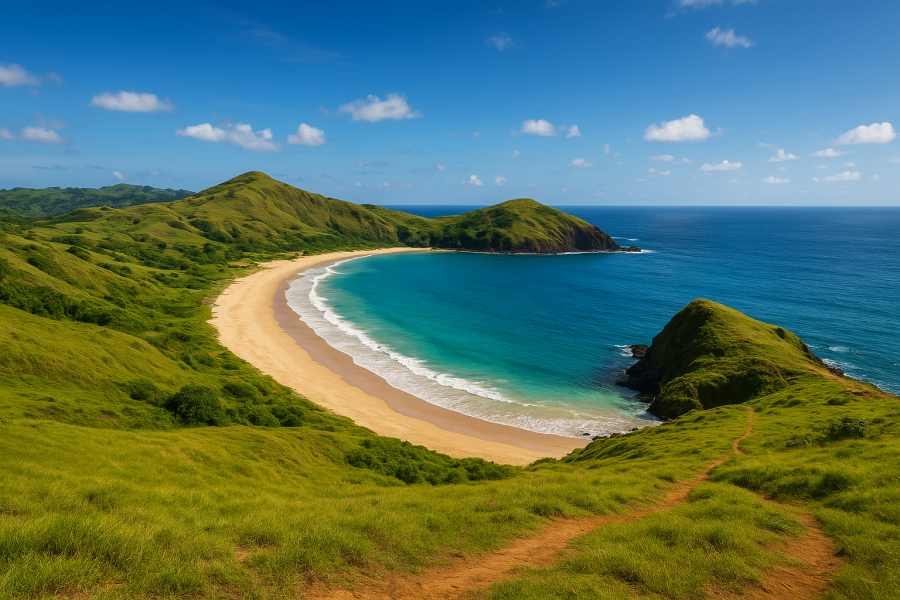
Photo by Kab Nduga
What can you expect to spend?
Budget travellers can expect to spend approximately US$25–55 per day, excluding international flights. Your actual spending will depend on your accommodation, transport choices and planned activities.
When should you visit?
April to October is generally the dry season, making it a good time for beach activities, snorkelling and outdoor exploration. November to March is typically wetter, which may affect some outdoor plans.
Budget tip: Renting a motorbike can be a budget-friendly option if you're experienced and properly licensed, while sharing a car with a driver may be more convenient for groups. If you plan to visit the Gili Islands, remember to factor in additional boat or ferry costs.
Make your next holiday work for your budget
An overseas holiday doesn't have to mean choosing between memorable experiences and your financial goals. From exploring ancient temples to discovering island scenery, there are plenty of ways to make your next trip worthwhile.
Before booking, compare return flights, accommodation, local transport and attraction fees to get a clearer picture of your total holiday budget. You may also want to travel during the shoulder season, book flights early and set aside some extra money for unexpected expenses.
Ultimately, the best holiday isn't necessarily the most expensive one. It's the one that lets you enjoy new experiences while staying comfortable with what you spend.