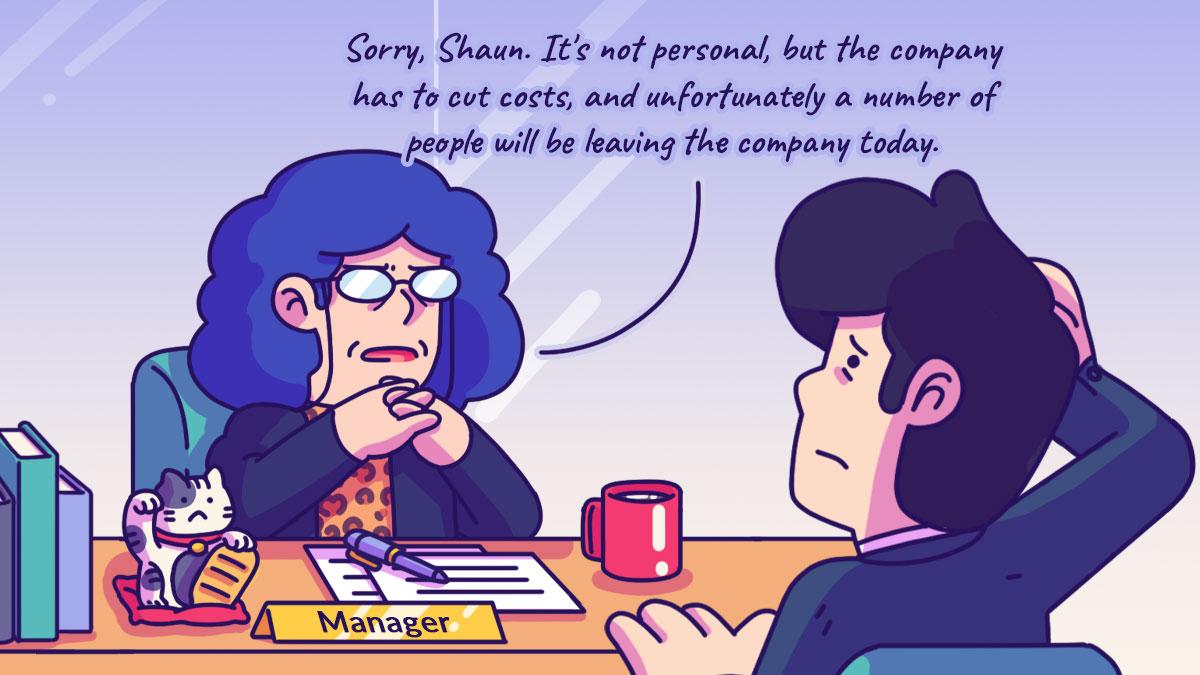
With more companies under pressure to cut costs and stay afloat, layoffs are often used to address declining revenue, restructuring, mergers or shifts in market demand. So, they are essentially business calls that usually have little to do with your skills or contributions. Retrenchments often boil down to numbers and are not a reflection of your work performance or abilities. It’s a difficult choice companies make to keep operations running.
In fact, given today’s economic uncertainty, retrenchments are becoming increasingly common. This is especially true in certain industries like technology and manufacturing, where automation and artificial intelligence (AI) are rapidly replacing certain roles.
But while retrenchments can be difficult, there are ways to navigate them successfully. Here are some practical tips on how you can bounce back from it.
1. Look after yourself
Before you start looking for another job, give yourself time to process what’s just happened. Being retrenched can bring forth a host of emotions, from frustration and shock to sadness and anxiety. It can even take a knock to your confidence. And these feelings are completely normal and valid.
So, allow yourself space to grieve and regroup emotionally. Prioritise self-care and recovery, whether that means catching up on sleep, exercising, or spending time with friends and family.
Job loss can be really stressful, so take your mental health seriously. If you need to, talk to someone you trust, or seek professional help if you are feeling down.
2. Understand your rights and benefits
Before leaving, review your retrenchment letter to understand exactly what you are entitled to. Check if you’re eligible for things like severance pay, bonus or commission payouts, and get compensation for any outstanding entitlements, such as your unused leave (if any).
If you are unclear about anything, speak to your HR department or consult an external labour lawyer.
3. Reassess your budget
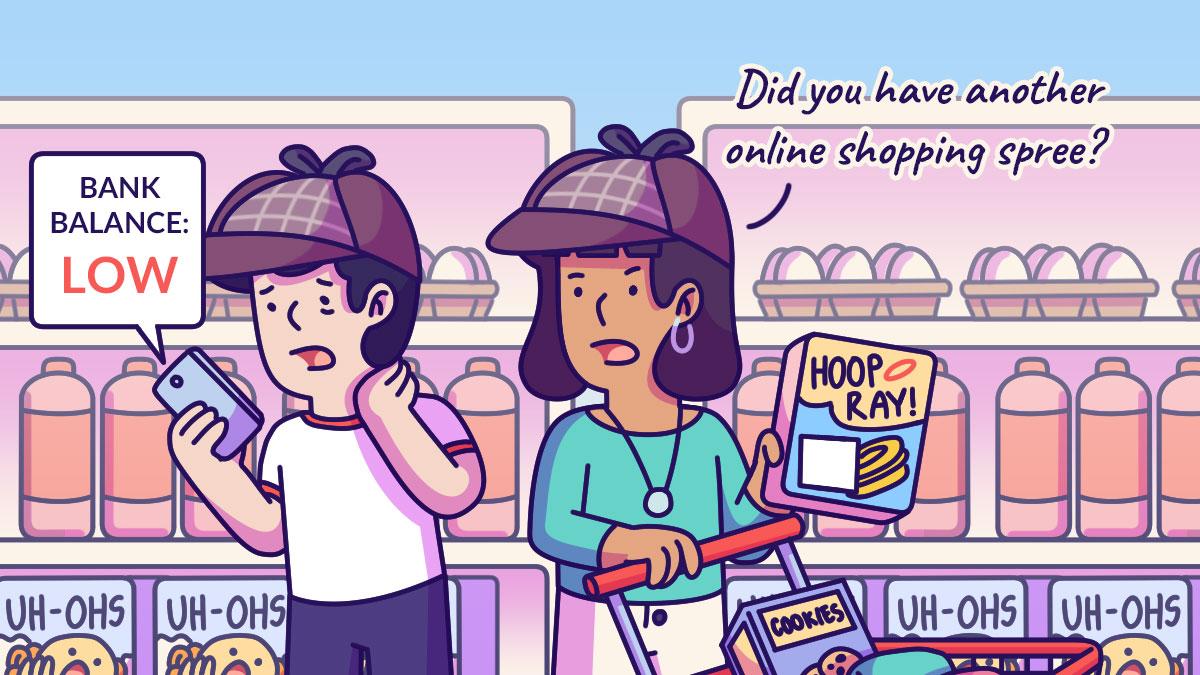
Without a steady income, your finances will need some rejigging. Start by calculating your monthly spending and see where you can cut back on. Always prioritise essential expenses like rent, utility payments, insurance and groceries. Then, create a realistic budget based on how much emergency savings you have.
Knowing how much you have, and how much you need every month will give you a clearer picture of how long you can sustain yourself without a job, and whether you’ll need to get a temporary job in the meantime, as you look for a more permanent role.
4. Explore government support
Many countries offer assistance like job placements, career counselling, skills training, and financial assistance to individuals who have been retrenched or are unemployed.
Find out what aid is available and check if you are eligible for them. You can also contact your local council for help. These resources can help ease your financial burden and even help you in your job hunt.
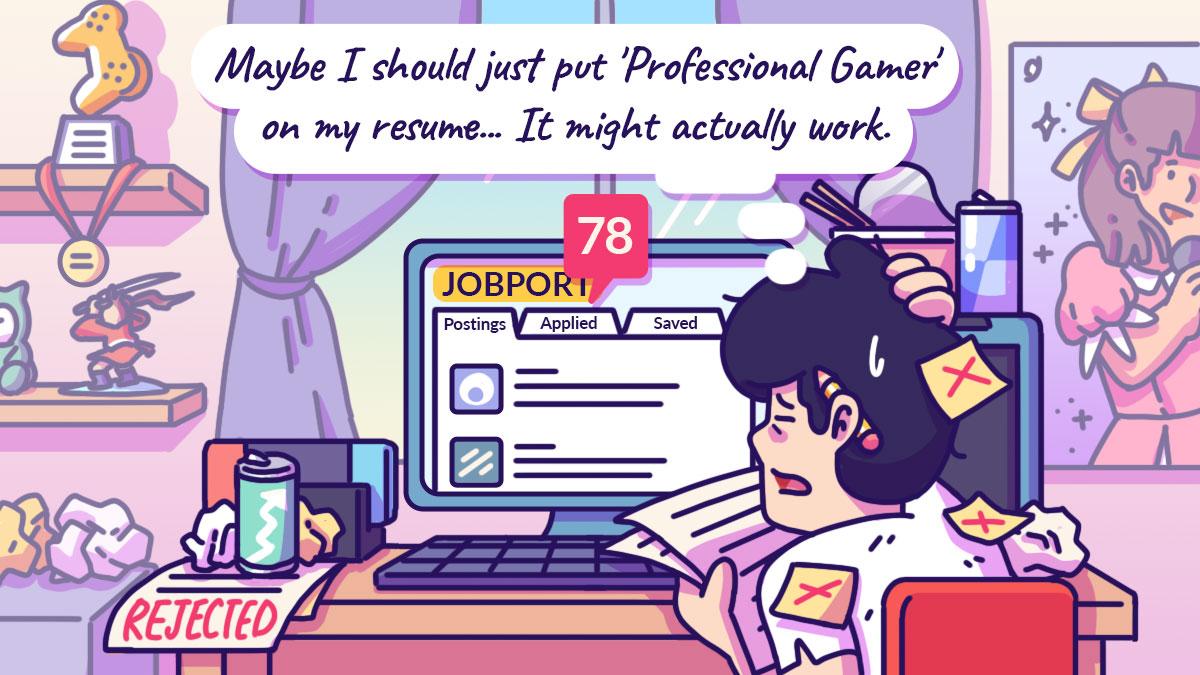
5. Start sending out your resume
Update your resume to reflect your most recent skills and accomplishments. To increase your chances of getting hired, you can also connect with recruiters who can help match you with suitable companies and vacancies.
In the meantime, read up on your industry to learn about any shifts in the market. Try to understand the factors that contributed to your retrenchment – were they specific to your company, part of a wider industry trend or driven by economic changes?
Understanding the reasons behind the decision can help you identify warning signs to watch out for in the future. And if you were retrenched because of a mismatch between your skills and the company’s future direction, you might want to upskill to close that gap.
6. Upskill to improve your chances
If you notice any gaps in your skillset or see that employers are looking for new capabilities that you don’t have, use this time to upskill. Enrol in relevant courses or training programmes to gain new qualifications.
Through upskilling, you are making yourself more competitive and desirable to potential employers, improving your chances of getting hired.
And while investing in your growth is important, don’t forget to check in with yourself along the way, because your mental health matters.