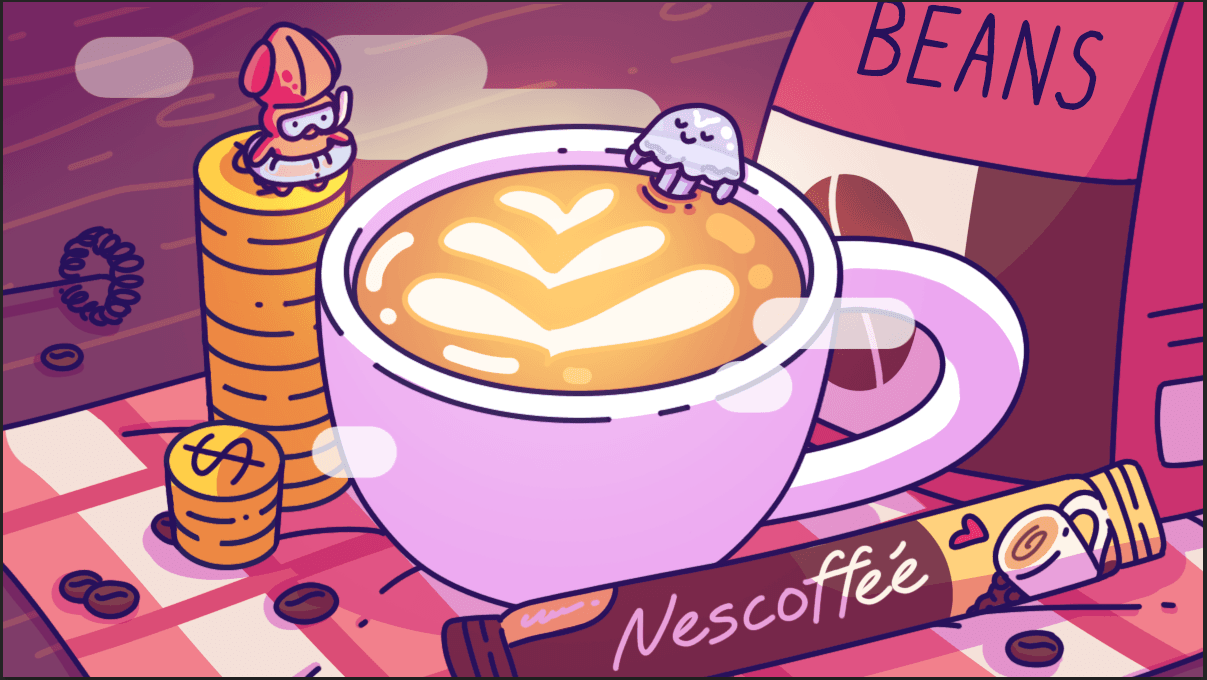
For many nine-to-fivers, coffee is a daily ritual. A caffeinated elixir that can enliven our mind for a long day of work. It’s also our go-to order whenever we visit any newly opened café or eatery.
It's safe to say that coffee is one of the most popular drinks in our society. Some may view this drink as a work staple, but only true coffee lovers understand that every cup carries its own intensity and nuances.
To bring out the deep flavours of coffee, the maker must hone specific brewing skills, which often take time to develop. The good news is that these skills can be practiced and refined at home.
While coffee-making is often seen as an expensive hobby, it is possible to start one without spending a fortune from day one. Over time, you can gradually upgrade your equipment as your budget allows and level up your coffee game. Here’s how!
Level 1: Instant coffee
If you do not have much time to prepare your coffee in the morning, instant coffee is your best quick fix. All you need to do is add hot water or milk to these soluble coffee crystals or powder.
Although it does not taste as complex as freshly brewed coffee, many still prefer this for its light aromatic taste. Instant coffee is also very affordable, with prices starting from only $5.10.
There are also ways to elevate your coffee experience by using a hand frother. For instance, you can make a cup of whipped coffee with just instant coffee, milk, and sugar. Simply froth the instant coffee and sugar together until creamy, then pour the mixture over cold milk.
Pros | Cons |
|
|
Coffee budget estimate (month)
Instant coffee: S$5 – 20
Level 2: Filter coffee
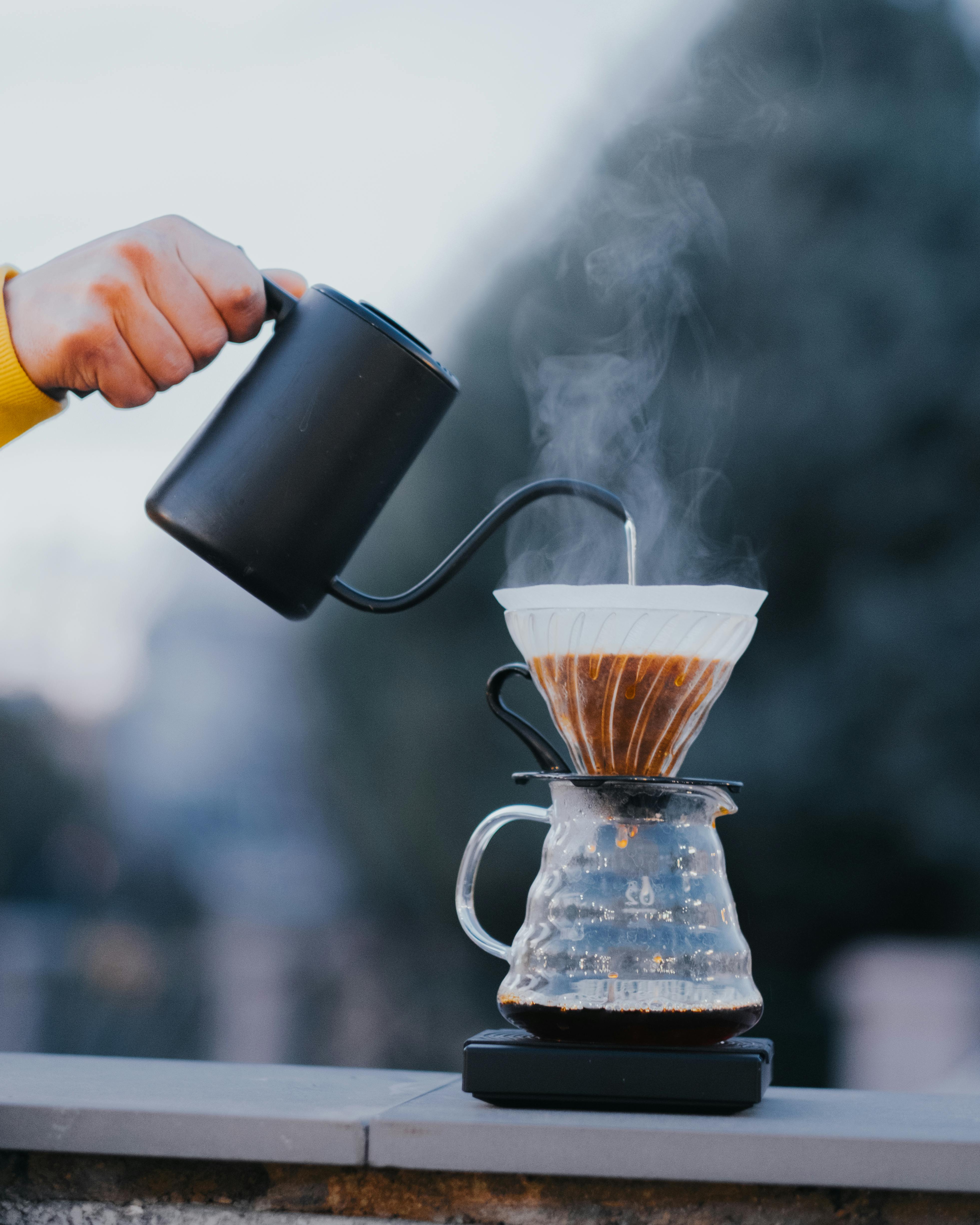
For those who wish to up their game, filter coffee is also an excellent method to use for coffee-making at home. To start, you will only need a dripper, filter paper, a gooseneck pouring pot, and coffee beans.
The drippers come in a range of sizes and designs, but all of them generally work well for pour-overs. Popular brands such as V60 and Kalita Wave can be considered, as they are beginner-friendly and cost-effective.
To brew filter coffee, you would need to set the pour-over on top of a mug and place a filter paper on it. Then, pour your medium-grind coffee grounds into the dripper, and then pour boiling water on top (preferably around 91ºC).
Pros | Cons |
|
|
Equipment
V60 coffee dripper: S$9.90 - 57
Gooseneck pouring pot: S$ 8 – 30
Coffee budget estimate (month)
Filter paper: S$ 5
Coffee beans: S$ 45 (for two 250g bags from Perk Coffee)
Level 3: Coffee maker
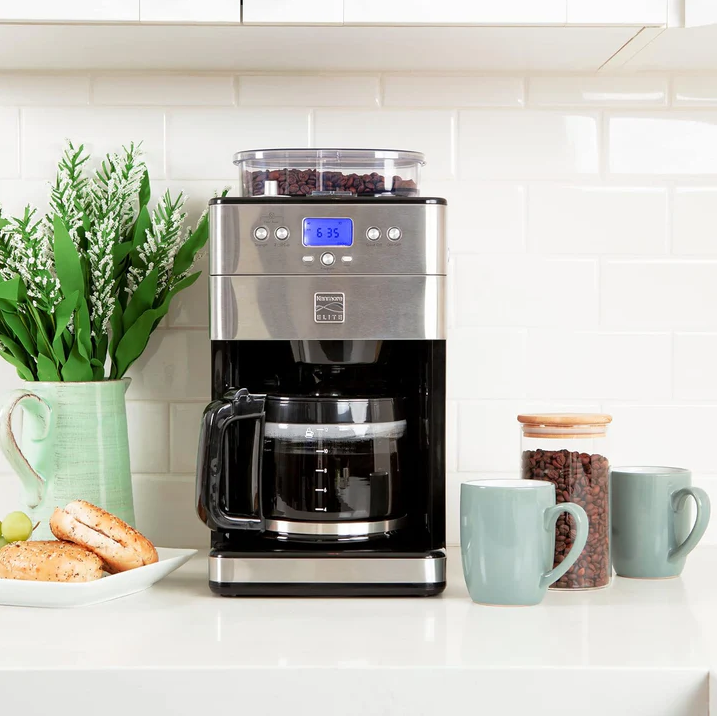
Another affordable steppingstone for coffee lovers is to own a drip coffee machine. Similar to the pour-over method, a coffee maker heats up the water from its reservoir and pours it over the ground coffee beans, which then flows into the coffee pot. It is commonly used in workspaces because it automates the brewing process and prepares coffee with minimal monitoring.
To brew it, simply fill up the water reservoir and add in any medium coffee grounds of your choosing. The recommended coffee-to-water ratio for drip machines is 1:16, so you will need to use 1 gram of coffee for every 16 millliliters of water.
Pros | Cons |
|
|
Equipment
Coffee drip machine: S$ 30 – 279
Coffee budget estimate (month)
Coffee beans: S$ 31 (per 500g bag from Zero Coffee)
Level 4: Moka pot
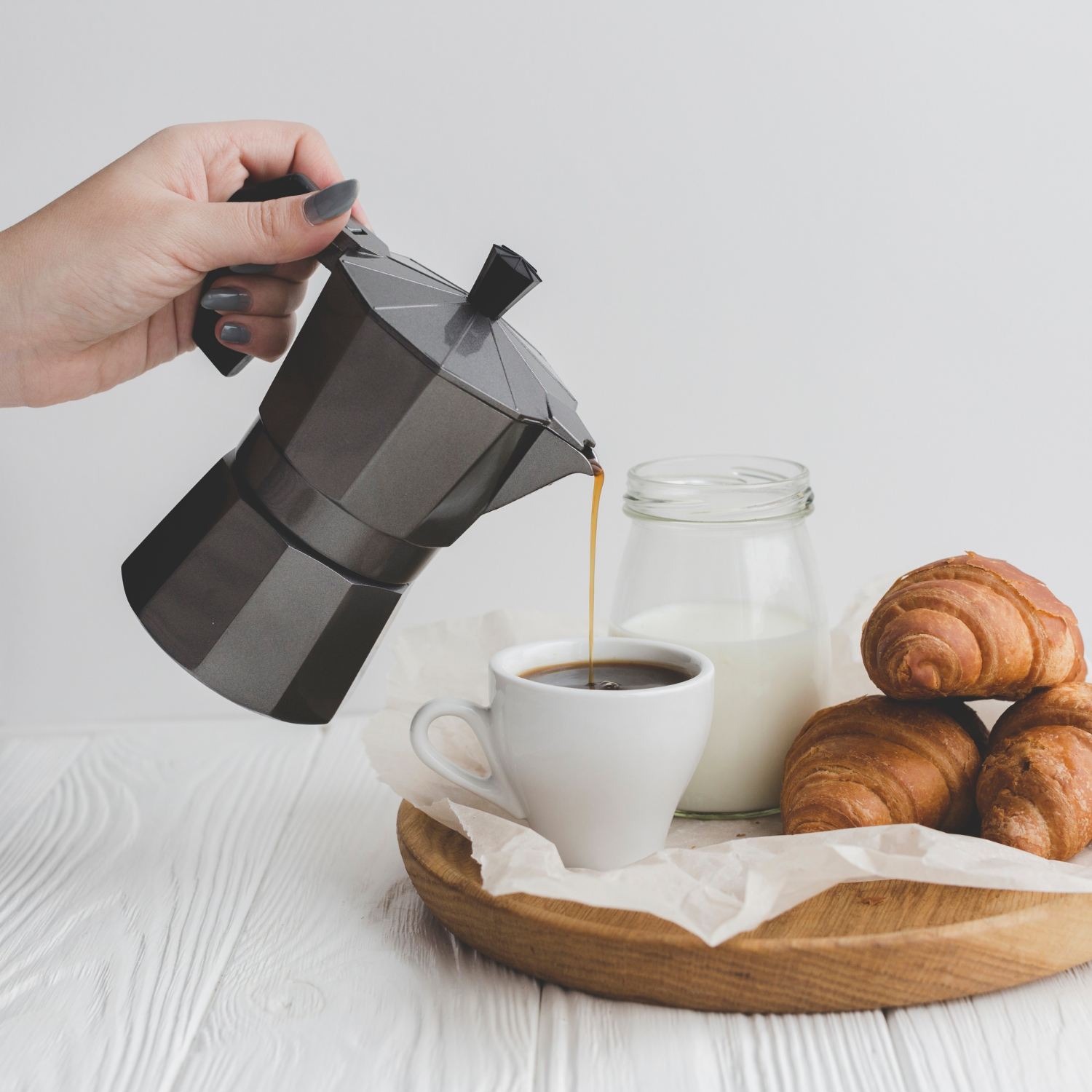
If you happen to enjoy stronger, bolder coffee, you can also consider using a moka pot. Originating in Italy, this appliance is a household staple for making concentrated coffee that resembles espresso.
To use it, add finely ground coffee and water into the brewer, then place the pot on the stove. As the stove heats up the water, the steam pressure forces it to pass through the coffee grounds, causing the brewed coffee to collect in the top chamber.
Aluminum moka pots can be used on most stove tops, such as gas, electric coil, and ceramic stoves. As for those who own induction stoves, you can opt for a stainless steel version with an induction-compatible base.
Pros | Cons |
|
|
Equipment
Moka pot: S$ 4 – 80
Coffee budget estimate (month)
Coffee beans: S$ 40 (for two 250g bags from Cowpresso Coffee Roasters)
Level 5: Espresso machine
At this level, you’ll find most serious and professional coffee enthusiasts. Owning an espresso machine signifies that you value quality coffee, and you aim to replicate the café experience at home.
However, before you start browsing for one, it’s important to know that making great espresso depends more on owning a quality grinder first. This is because the quality of the final cup of espresso depends heavily on how consistent the coffee grind size is. The more uniform the grind size, the better your coffee will turn out.
Furthermore, having a grinder gives home baristas the flexibility to adjust their grind size, allowing them to make the beans finer or coarser as needed. Although it is possible to use pre-ground coffee, the espresso often turns out to be too watery due to the inconsistent grind size.
According to The Home Espresso, the Baratza Encore ESP and the Fellow Opus are good choices for beginner home baristas. Both cost below S$400 and provide a suitable range of grind sizes from filter to espresso.
As for espresso machines, beginner-friendly options include semi-automatic models, which allow you to have some control over the brewing variables. Best-selling choices are the Breville Bambino, the Gemilai Owl, and the DeLonghi Dedica Style.
Pros | Cons |
|
|
Equipment
Espresso machine: S$ 300 – 1500
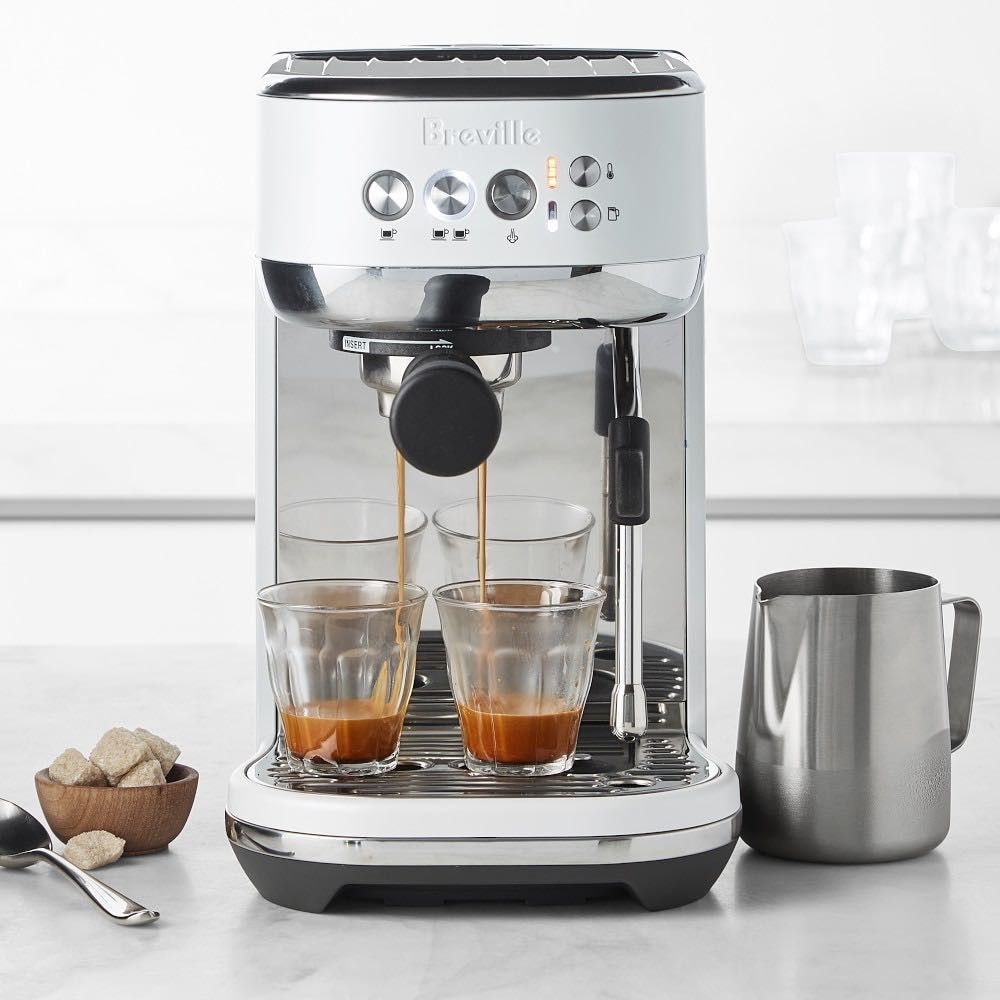
Coffee grinder: S$400
Coffee budget estimate (month)
Coffee beans: S$ 48 (per 1kg bag from Musetti)
Verdict: Get a Moka pot if you want to start the hobby
Methods | Difficulty (1=Hard, 5=Easy) | Cost (1=Expensive, 5=Cheap) | Taste (1=Poor, 5=Excellent) | Ratings |
|---|---|---|---|---|
Instant coffee | 5 | 5 | 1 | 11 |
Filter coffee | 2 | 4 | 4 | 9 |
Coffee drip machine | 4 | 3 | 3 | 10 |
Moka pot | 3 | 5 | 4 | 12 |
Espresso machine | 1 | 1 | 5 | 7 |
While brewing your own coffee is proven to be cheaper than purchasing a daily cup of coffee, it is not for everyone. Starting this hobby requires both upfront investment and time to learn – and as the saying goes, time is money. Therefore, it comes down to whether you are a person who values learning or convenience.