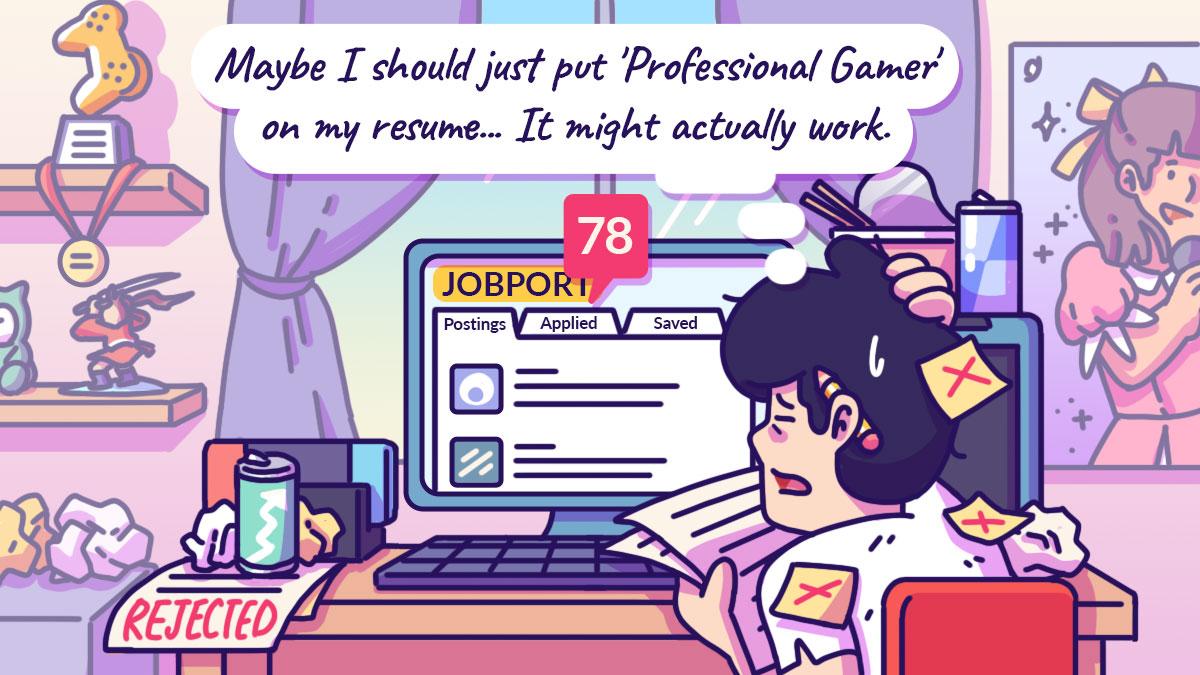
With everything that is going on in the world today, money feels tighter than ever. Rent is rising, groceries cost more, and for many of us, each month feels like a struggle just to stay afloat. It's no surprise that more people are looking for ways to earn extra income and break free from the paycheck-to-paycheck cycle.
A side hustle can help you build financial security, pursue personal interests, or simply create a little breathing room in your budget. But before you dive in, it is important to remember that a side hustle should improve your life, not make it more stressful.
The secret is to build it in a way that complements your full-time job rather than competes with it. Here's how you can start one without putting your day job at risk.
Solve a problem people will pay for
When thinking of a side hustle, many people tend to focus on what could bring in the most money. A better approach is to ask yourself what problem you can solve.
The most successful side hustles are those that help people with a real need. It could be a service that saves time, a skill that businesses value, or a product that makes life easier.
Talk to the people around you, like your friends, family and colleagues, to find out what frustrates them the most, what tasks they are struggling with, and what they would gladly pay someone else to handle.
You don't need a groundbreaking business idea. Sometimes, solving a common, everyday problem is enough to create a side hustle that is valuable and sustainable.
Start with what you’re already good at
No, you don’t need a new degree or years of training to start a side hustle. Building on skills you already have is often the fastest and most practical way to get started.
Think about your strengths. Are you good at writing, talking, video editing, graphic design, photography, social media management, coding, or event planning? Many of these skills already have market value.
By leveraging on what you already know, you can start earning sooner instead of spending months learning a new skill from scratch. Starting with your existing skills makes it easier to launch your side hustle without overwhelming yourself, helping you maintain balance with your full-time job.
Time management is everything
One of the biggest challenges of running a side hustle is managing your time well. Poor time management can affect not only your side hustle, but also your performance at work, your relationships, and your health.
Set aside dedicated time for your side hustle and treat those hours seriously. Whether it's a few evenings each week or several hours over the weekend, create a consistent schedule and stick to it.
It also helps to plan your tasks in advance. Without a clear plan, it's easy to procrastinate, get distracted, or overwhelmed.
You can take advantage of tools to help you stay organised. Calendar apps, task managers, and time-tracking tools can help you prioritise tasks, manage your schedule, and make the most of the limited time you have.
Don't let it affect your full-time job
The whole point of having a side hustle is to earn more money. But if it starts interfering with your day job, you might be putting everything at risk, potentially losing the income that supports your life and responsibilities.
Remember: your full-time job provides stability. It pays the bills and gives you benefits. These make having a side hustle possible in the first place so you should protect that foundation.
While it might be tempting to work on your side hustle during office hours, it is important to keep the two completely separate. Also, avoid using company equipment, systems, or resources for your side hustle. Don't give your employer any reason to question your commitment or performance.
Be mindful of your mental health
Even with the best planning and time management, running a side hustle means you are essentially juggling two jobs, and that is bound to be tiring.
You'll likely have less free time to relax, recharge, and pursue things that you like, such as your hobbies. Your mind may feel like it's constantly switched on, or running on overdrive. There will even be days when you're completely drained and exhausted.
While this is normal, it’s important to check in with yourself regularly. Because when work gets busy, it’s easy to get swept away and forget to look after yourself. So, the tendency to burnout is very real.
Ask yourself: Are you getting enough rest? Eating well? Do you have enough time for yourself and for your family and friends?
If you constantly feel worn out, you might want to consider reducing the hours you dedicate to your side hustle. Sustainability matters. A side hustle that grows steadily over time is far more valuable than one that burns you out in just a few months.