Between US tariffs and rising tensions in the Middle East, global headlines have been looking pretty intense lately. Ongoing conflicts involving Israel, the United States and Iran is creating ripple effects across the global economy.
One key pressure point is the Strait of Hormuz, a narrow shipping route near Iran that handles roughly 20% of the world’s oil supply. When conflict threatens this route, oil prices tend to spike, and that has knock-on effects on almost everything else.
Closer to home, economies in Southeast Asia are already feeling the strain. The Philippines, for example, is highly dependent on imported fuel, while Singapore imports most of the energy it uses, like natural gas and fuel, making it especially exposed to global price changes.
But it’s not just about oil. When global tensions rise, supply chains get disrupted. Shipping costs increase, deliveries slow down, and businesses face higher operating costs which often lead to higher prices for consumers. Over time, that can push up prices for everyday essentials like food (especially imported items), household goods, and electronics.
These pressures are already building. Global institutions like the International Monetary Fund (IMF) have warned that prolonged increases in energy prices can drive inflation higher while slowing economic growth.
Put simply, if these disruptions continue, inflation isn’t just possible – it’s likely.
What can we do about it?
While we can’t control what’s happening out there, we can take charge of what happens with our money.
The good news? You don’t need a complete lifestyle overhaul. A few small, practical adjustments to your daily habits can go a long way in helping you stay ahead of rising costs and keep your budget on track.
Here are some ways you can stretch your monthly budget.
Save and scrimp
Build (or boost) your emergency fund
An emergency fund is there for you when something unexpected happens, like a sudden medical expense or job loss. So, if you don’t have one yet, now is a great time to start.
If you already have one, great! But you might want to consider strengthening it. For example, if you’ve saved three months’ worth of expenses, try working towards six.
And keep this money somewhere accessible, like in a high-yield savings account, where it can grow a little while still being accessible.
Plan your meals
Let’s be real: we eat a lot! Sometimes, up to five times a day, so that adds fast. With imported food getting pricier, switching to local produce can help keep costs down since it’s less affected by global disruptions.
And yes, we get it – after a long day at work, eating out feels like the easiest option. But it’s also costly. A simple way around this is to bulk cook a few meals at once. Portion them out for the week ahead to save both time and money. Plus, you’ll also get to control what goes into your food, which is a win for your health too.
Another small hack you can follow is to cook with lids on your pots. It helps food cook faster and uses less gas or electricity.
Trim your energy bills
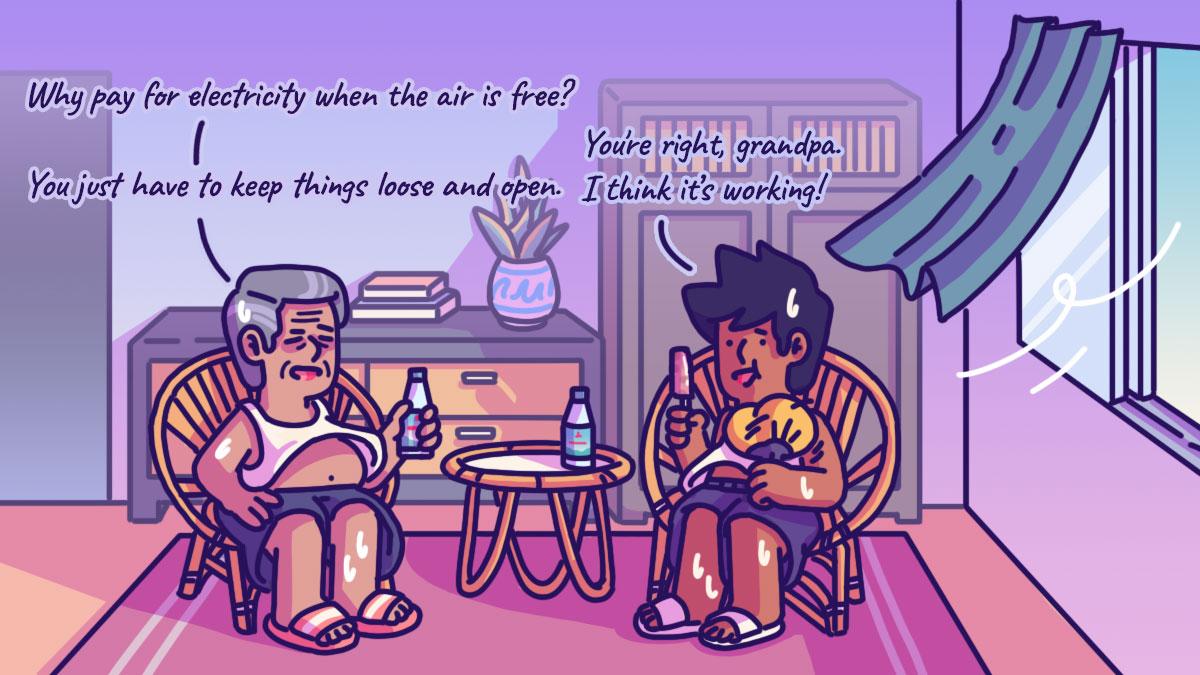
Small changes at home can make a big difference. Turn off appliances when they’re not in use and only run appliances like the washing machine or dishwasher when they’re full. This saves water, electricity, and detergent.
In our hot climate, air-conditioning is a major cost. Simple tweaks, like setting your AC to 22°C instead of 18°C or turning it off once the room has cooled, can add up to significant savings.
Spend less, be intentional
Delay non-essential spending
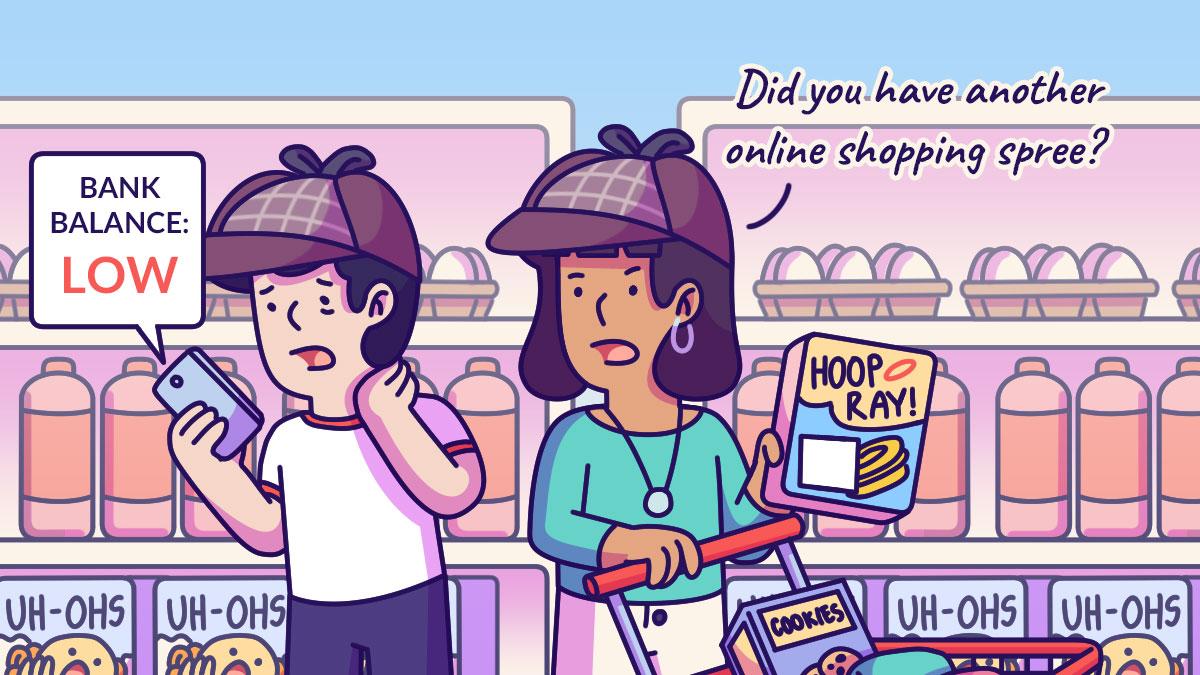
It’s tempting to keep spending the way we always have, but when supply chains are under pressure, prices tend to creep up. That means holding off on non-essential purchases today could actually save you money later on.
Try postponing or rethinking expenses like home upgrades, new gadgets, or luxury items. The key word here is unnecessary. If your laptop breaks down and you need it for work, go ahead and replace it. But if you’re just eyeing the latest model while yours still works fine, it might be worth waiting.
Travel smarter
Fuel prices tend to spike during global disruptions, so every trip counts. Instead of heading out multiple times a day, try grouping errands like your grocery run, bank visit, and pharmacy stop into a single trip.
Better yet, make the most of your city’s public transport. Swapping taxis for the train or bus can add up to significant savings by the end of the month – they just take a bit of planning.
Clear up debt and not accumulate more debt
Be strategic with debt
In uncertain times, debt can get more expensive, especially if interest rates go up. Try to avoid taking on new high-interest loans, particularly for non-essential things like vacations.
If you have credit card debt or loans with variable interest rates, focus on paying those down first. The last thing you want is for your monthly repayments to unexpectedly balloon out of control.
Build your income streams
Strengthen your income (not just your savings)
Cutting costs helps, but there’s a limit to how much you can save. Growing your income, on the other hand, has no ceiling.
One way to boost your take-home pay is to pick up a side hustle, like freelancing a service or monetising skills you already have. Having multiple income streams can make a real difference when the economy tightens.
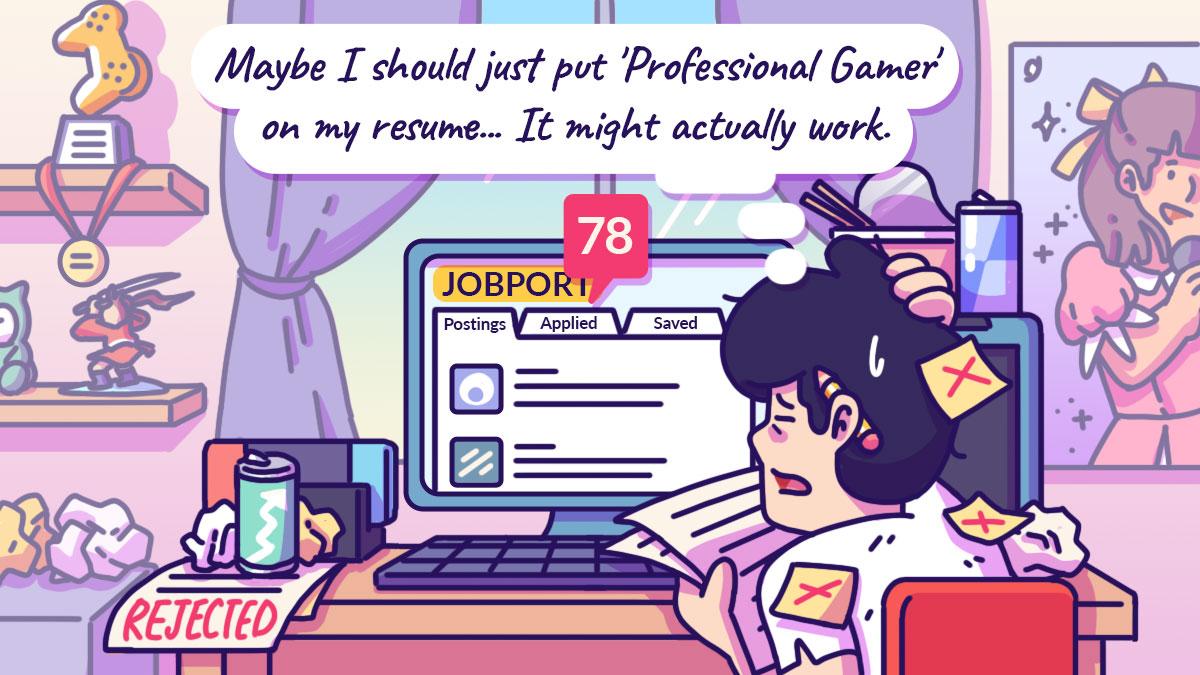
Jobs can also get harder to come by during challenging times, so upskilling is a smart move. Give yourself a competitive edge by taking that online course you’ve always been eyeing.
At the end of the day, you can’t control what’s happening in the global economy, but you can control how you prepare for it. With a few smart moves, you can stay in control and keep your budget on track.