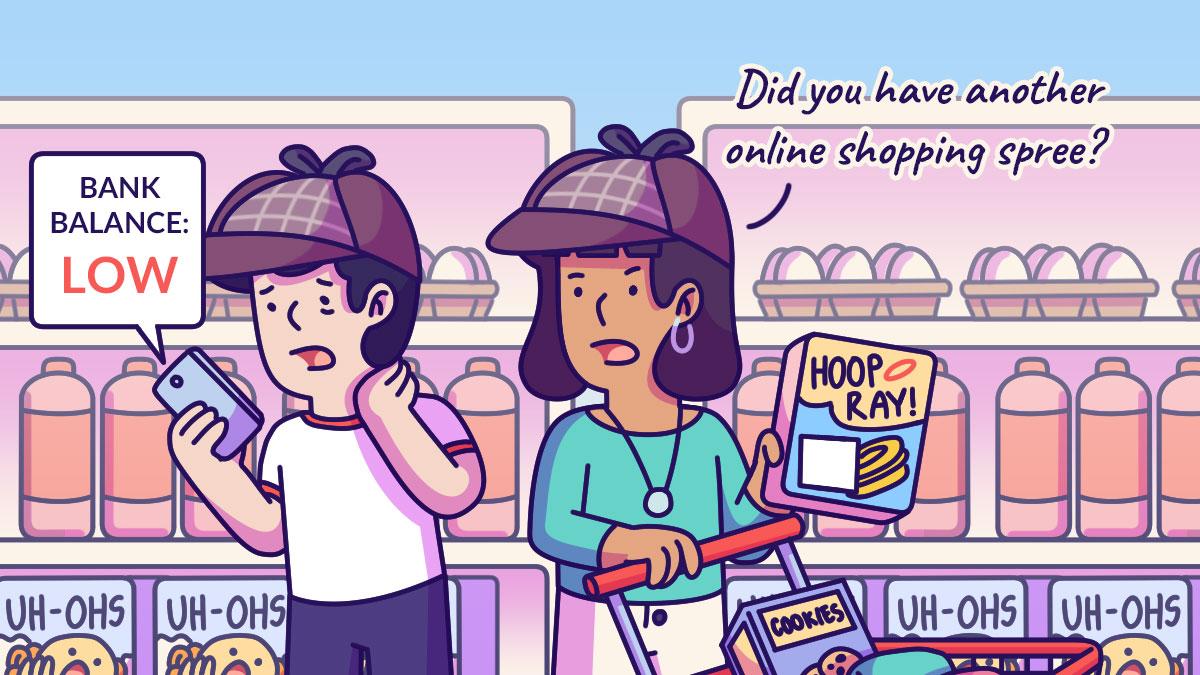
Last weekend I did my usual grocery run. Normally, the total feels pretty predictable. But this time, when I reached the cashier, the bill was noticeably higher. And I wasn’t buying anything new, just the usual soap, food, and household basics. When I compared it with last month’s notes, the prices had definitely creeped up.
What’s really happening? I have been noticing this phenomenon occurring over the past months. This is even more obvious on items I purchase that are imported, like milk and dairy. Lately, I’m wondering if I should just skip my favourite Korean snacks and kimchi too. In simple terms, I believe my currency is losing strength.
Some people are shielded a little if their earnings are tied to foreign currency. But I couldn’t help thinking, what about workers paid entirely in local money, while living costs keep climbing because of devaluation?
That’s when I realised: it’s not just about soap getting more expensive, it’s about our purchasing power shrinking.
My money is losing power
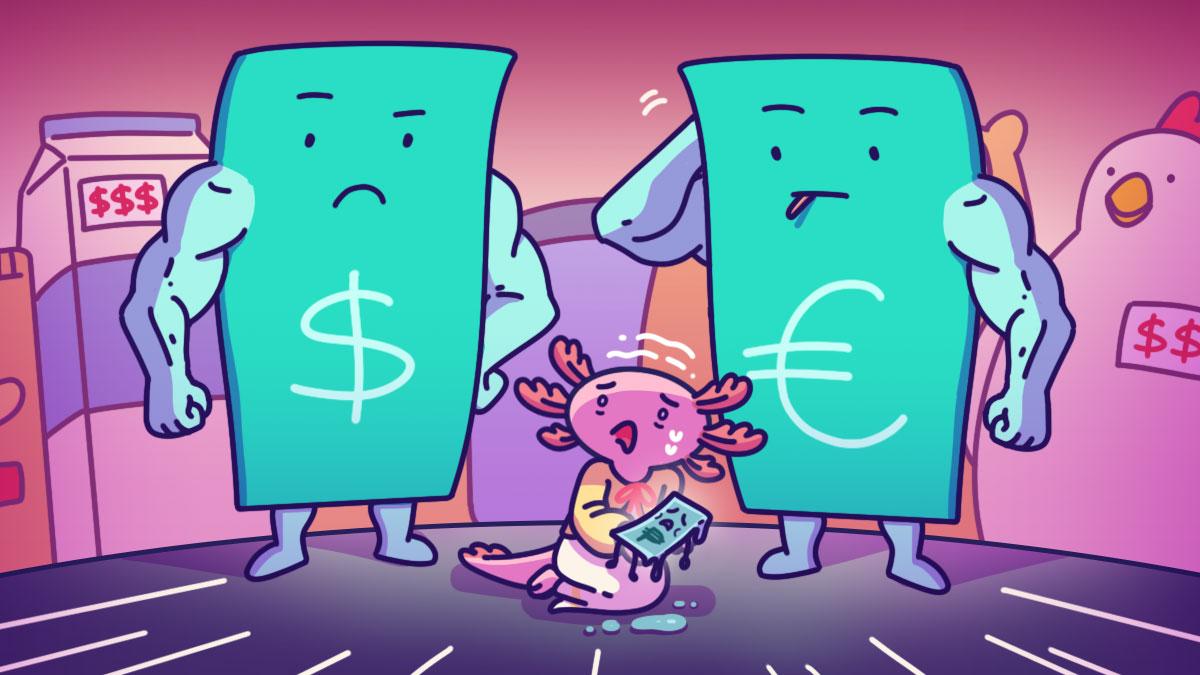
Prices at the supermarket may look like plain inflation, but part of the reason is when a currency loses value against stronger ones, imports and raw materials get more expensive. That cost trickles down to the everyday essentials we buy.
If we leave it unchecked, our salary can feel like ice cream on a hot day, melting fast.
So, what can we do to keep our salary ‘intact’ even when our currency weakens?
1. Build a backup wallet in ‘stronger’ money
If all your savings sit in local currency, every time it weakens, your spending power takes a hit. A simple way to protect yourself is to keep a “backup wallet” in a stronger currency. Options include:
- Foreign currency accounts at local banks (usually USD, SGD, or EUR).
- Multicurrency apps like Revolut, Wise, or certain digital banks.
- Global e-wallets where you can hold and convert when needed.
You don’t need much, 10-20% of your salary is enough. It’s not about chasing profit, it’s about having a cushion so you’re not caught off guard when things get pricier.
2. Freeze today’s rate for tomorrow
Think of it like booking a flight. If you wait, the price might go up. Exchange rates work the same way. If you delay, your money might lose more value. That’s where hedging comes in. It’s basically locking today’s exchange rate for future use.
For example:
- Forward contracts: an agreement with a bank to buy foreign currency at a fixed rate on a future date.
- Currency options: the right (but not obligation) to buy or sell at a set rate if needed.
- Simpler apps or platforms also offer features like auto-convert into USD or even stablecoins.
Yes, hedging is more common with businesses, but individuals can also try smaller versions through banks or apps. If you know you’ll need foreign currency later (tuition fees, travel, overseas payments), it’s safer to lock in now rather than wait and hope for the best.
3. Park money where value holds
Currencies rise and fall, but some assets hold their value over time.
Gold is the classic example, it usually climbs when inflation bites or when currencies weaken. Other sturdy options include silver, property (which often tracks living costs), or global funds that spread risk across markets.
The aim isn’t to strike it rich overnight, it’s to keep your purchasing power steady. If your salary feels like it’s “shrinking” because of devaluation, these assets can balance things out.
Even starting small, like a micro-investment in digital gold, a silver savings account, or fractional property funds, already puts you a step ahead.
4. Don’t let payday money melt
Think of your salary like ice cream, don’t leave it all sitting in one currency or it’ll melt too fast. The trick is to split it up as soon as it lands.
Keep a portion in your local money for daily needs, set aside some in foreign currency for savings, and channel the rest into long-term investments for growth.
For instance, you might split it like: 50% for living costs, 30% in foreign currency, and 20% in other assets. You can even automate monthly conversions, it will help reduce the stress of sudden swings.
5. Spend smart & pay off local debt
When your currency weakens, imported goods are the first to jump in price. A quick fix is to switch to local products, say, seasonal vegetables instead of imported fruit.
If you have loans in your local currency, this is actually a good time to pay them off faster. Why? Because unlike foreign-currency debt, the amount you owe doesn’t grow bigger when your currency loses value.
But note: if your income and expenses are in the same currency, you’re still paying the same figure every month. The point is that local debt stays stable, while foreign debt can balloon when exchange rates move. Clearing it early frees up more of your salary for essentials.
6. Learn and adapt
You don’t need to be an economist to grasp the basics of exchange rates, inflation, or devaluation. But a little knowledge goes a long way.
Follow credible finance accounts, scan short economic news, or check rates before making big money moves. It’s like checking the weather before leaving home, you can’t stop the rain, but you can bring an umbrella.
At the end of the day, adaptability is key. Currencies rise and fall, but with the right steps, your salary doesn’t have to “melt away” with it.